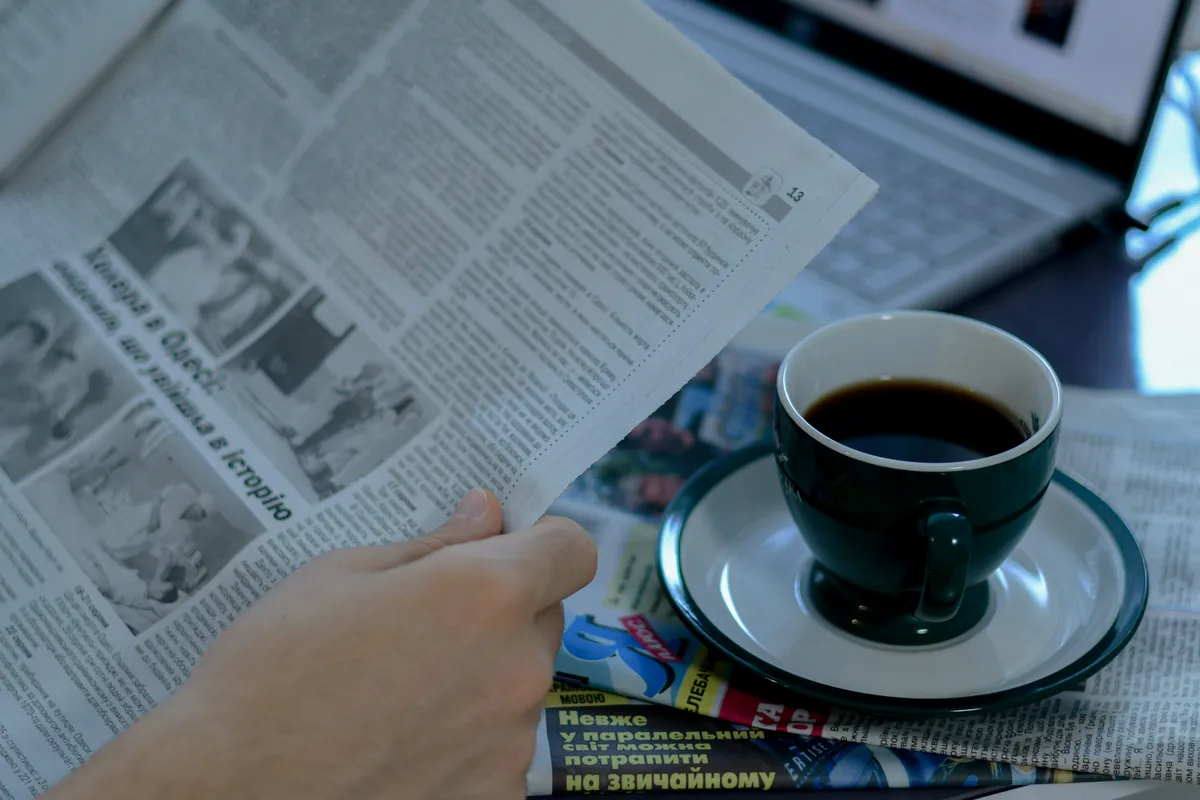
The Digital Newspaper Is Making a Comeback — With a Modern Twist
In an age of endless feeds and constant notifications, something unexpected is happening: the newspaper is coming back. Not the printed broadsheet on the doorstep, but the digital newspaper, a curated, well-organised front page that tells readers what matters and in what order. For businesses and independent publishers alike, this familiar format offers a way to cut through the noise. Here is why it works, how it is built, and how you can create your own.
Why the Traditional Newspaper Layout Still Appeals
Newspaper layouts have been refined over generations. A masthead signals identity, a lead story anchors the page, and columns, sections, and headlines guide the eye. Readers understand it instantly, with no tutorial required. Unlike an infinite feed that rewards whatever is newest or loudest, a newspaper page feels finite and calm. You can reach the end of it, and that sense of completion is a feature, not a limitation.
The Power of Editorial Hierarchy
Editorial hierarchy is the decision about what deserves attention first: a lead story, supporting stories, short briefs, and clearly labelled sections. It helps readers find what they need quickly, keeps important messages from getting buried, and builds trust through consistency. A local property agency, for example, might lead with a market update, feature two recent listings as secondary stories, and keep advice articles and community news in dedicated sections.
How RSS Connects Multiple Publishing Sources
RSS is a long-established standard that lets a website publish a structured feed of its latest content. A digital newspaper can use RSS to gather headlines, short summaries, and links from several sources into a single page: your own blog, a partner's site, or an industry association. A regional tourism board could combine feeds from member hotels, restaurants, and event organisers into one "What's On" front page that updates itself as new items are published.
Owned Articles vs. Linking to Third-Party Publishers
This distinction matters. Owned articles are content you wrote and control. You can display the full text on your own site, shape the presentation, optimise it for search, and build your own audience. Third-party content belongs to someone else. The right approach is to show a headline, a short excerpt, and a clear link and credit that send readers to the original publisher. Do not republish full articles without permission, and always respect each source's terms. A healthy digital newspaper can mix both, as long as it is clear to readers which is which.
How to Build Your Own Digital Newspaper
Businesses and independent publishers can start small and grow from there:
- Define your beat. Choose a clear focus, such as a local community, a niche industry, or a particular customer group.
- Plan your front page. Decide your lead slot, secondary stories, and sections before you publish.
- Mix original and curated content. Publish your own articles regularly, and add a few trusted external sources with clear attribution.
- Keep a steady rhythm. A weekly edition or a short daily briefing gives readers a reason to return.
- Bring it to your audience. Offer an email digest so readers receive each edition without having to remember to visit.
An independent food writer, for instance, might publish one original feature each week as the lead story, supported by curated links to local restaurant news.
Why Original Content and Editorial Identity Still Matter
Aggregation can fill a page, but it cannot build a brand. Original content gives readers a reason to choose you over a feed: your perspective, your expertise, and your voice. Editorial identity, meaning your tone, your topics, and your standards, is what readers remember and trust. Technology can organise and distribute your work, but the voice has to come from you.
Conclusion
The digital newspaper succeeds because it combines the best of an old idea with modern tools: clear hierarchy, curated sources, and a recognisable editorial voice. Whether you run a business or publish independently, you can build your own edition by planning your front page, being transparent about what you own and what you link to, and investing in original content. At SmartSync360, we believe the future of publishing belongs to those who connect technology with a distinctive point of view.
